A Sussex flower year: planning your wedding around the seasons
What’s growing when, and why seasonal flowers make for the most beautiful weddings.
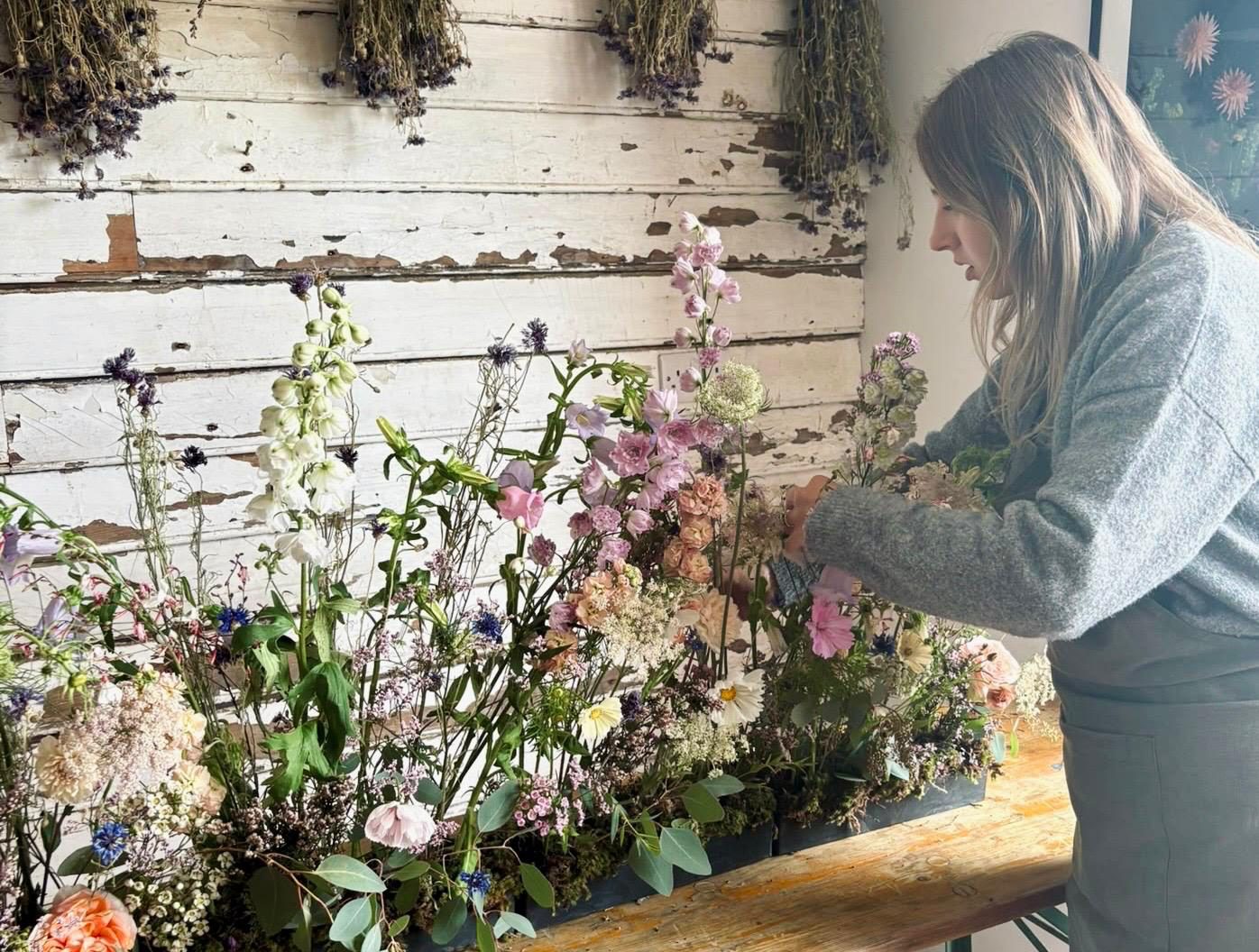
One of the first things I ask couples is when they’re getting married. It’s not just for the diary. The season shapes almost everything about wedding flowers, from the varieties and colours to the textures and overall feeling of the day.
Wherever possible, I work with British-grown flowers from local growers. That means letting the time of year lead, rather than flying in the same flowers year-round. Here’s a rough guide to what each season brings.
Spring March to May
Fresh and full of promise. Think tulips with long, curving stems, narcissi, hellebores, ranunculus, blossom branches and fritillaries. Spring palettes tend to be soft and light, with plenty of whites, creams, butter yellows and blush.
Summer June to August
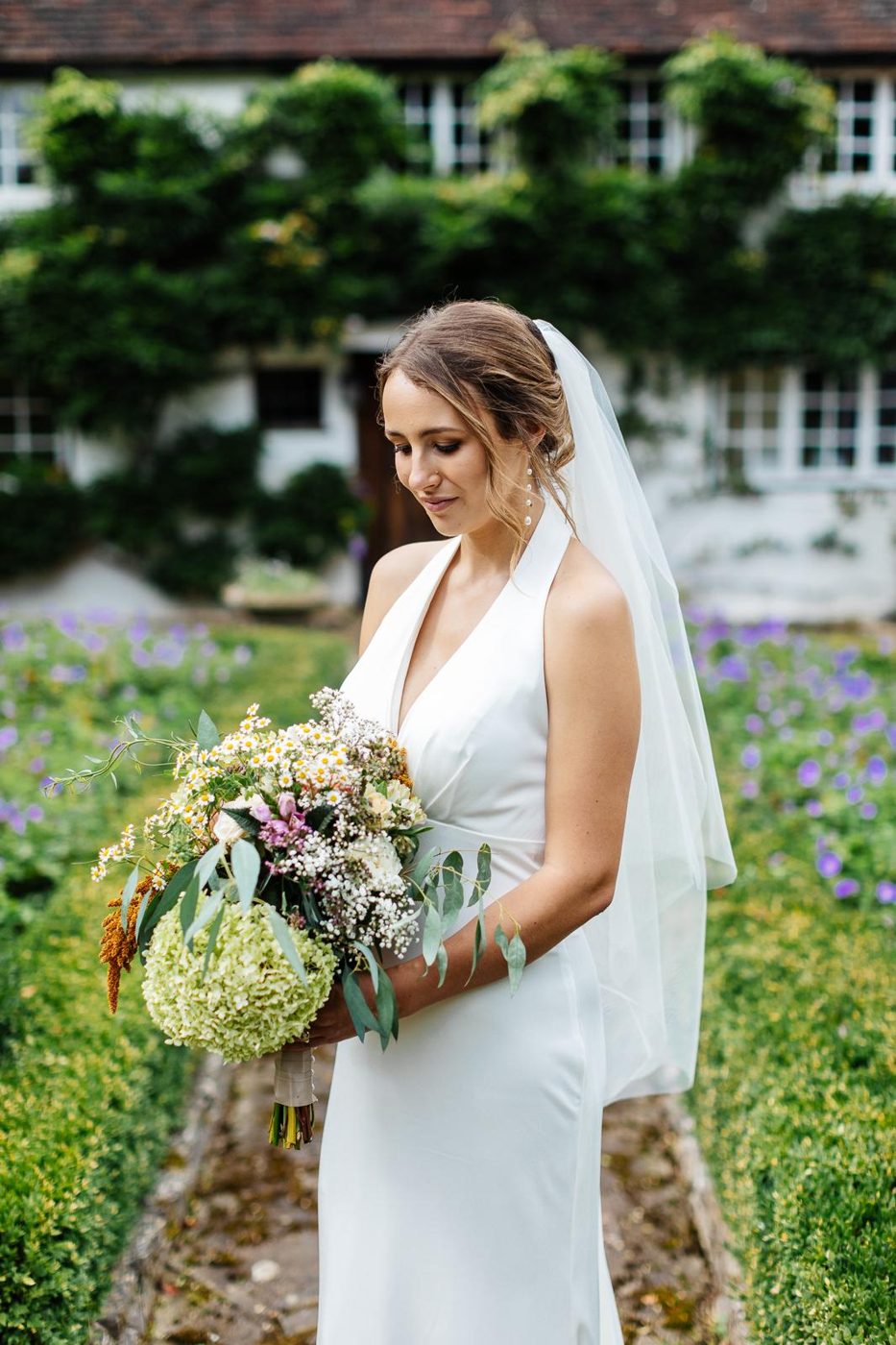
The garden at its most generous. Sweet peas, garden roses, cornflowers, scabious, astrantia, cosmos and delicate umbellifers like orlaya and wild carrot. Summer is perfect for that loose, just-picked feel, with movement in every stem.
Autumn September to November
Rich and textural, and one of my favourite times of year. Dahlias in every shade, chrysanthemums, rosehips, crab apples, seed heads and grasses. Colours deepen into rust, burgundy, ochre and plum.
Winter December to February
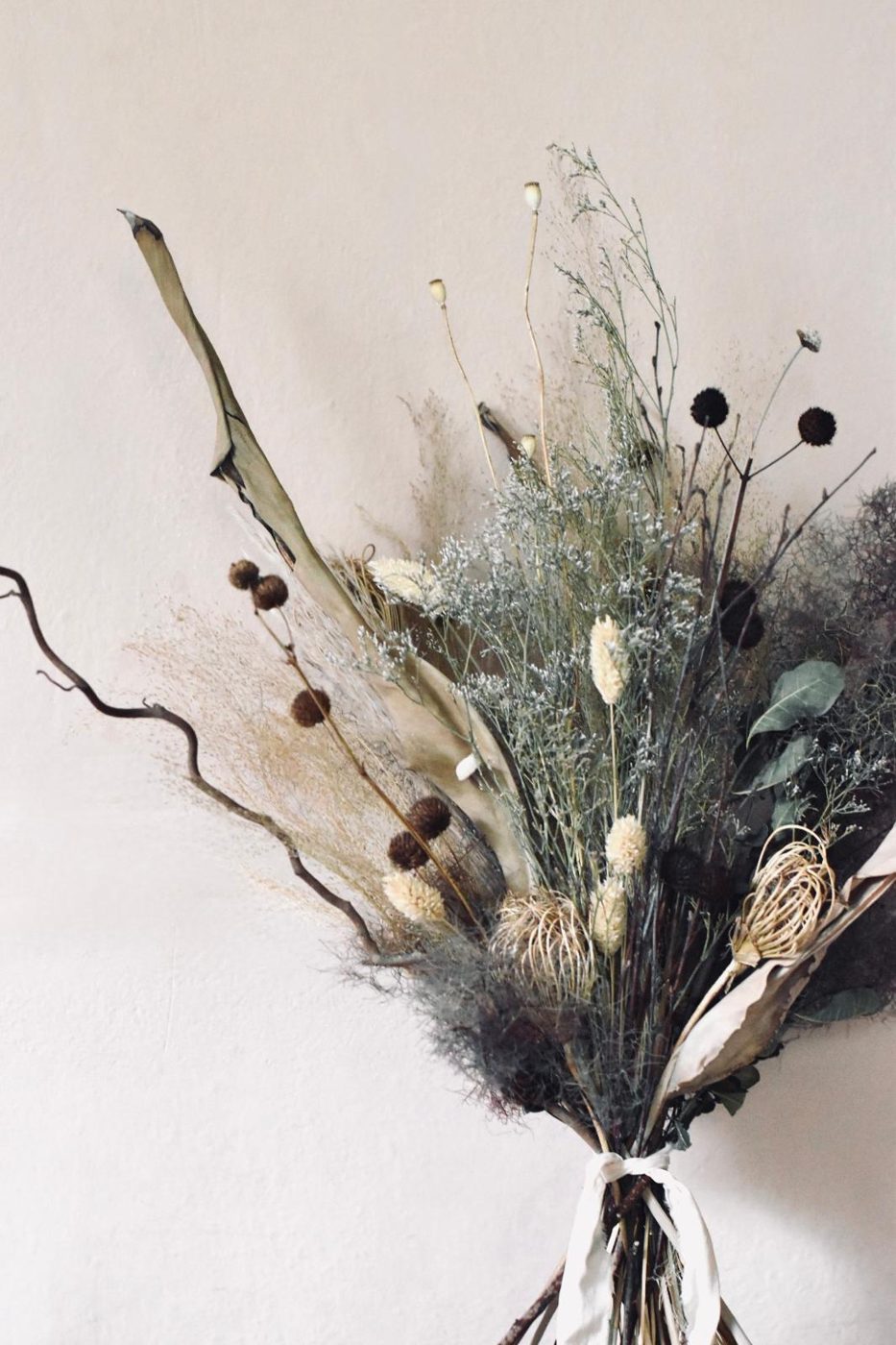
Quieter, but never dull. Hellebores, early bulbs, evergreen foliage, berries, bare branches and twigs. Winter is also where dried and preserved flowers really shine, bringing warmth and texture when fresh blooms are scarce.
Choosing in-season flowers isn’t a compromise. It gives your wedding a real sense of time and place, and the flowers are almost always at their very best. Not sure what will be growing on your date? That’s exactly what our first conversation is for.